
Trevor Laboski
Head of School
International School of Beijing

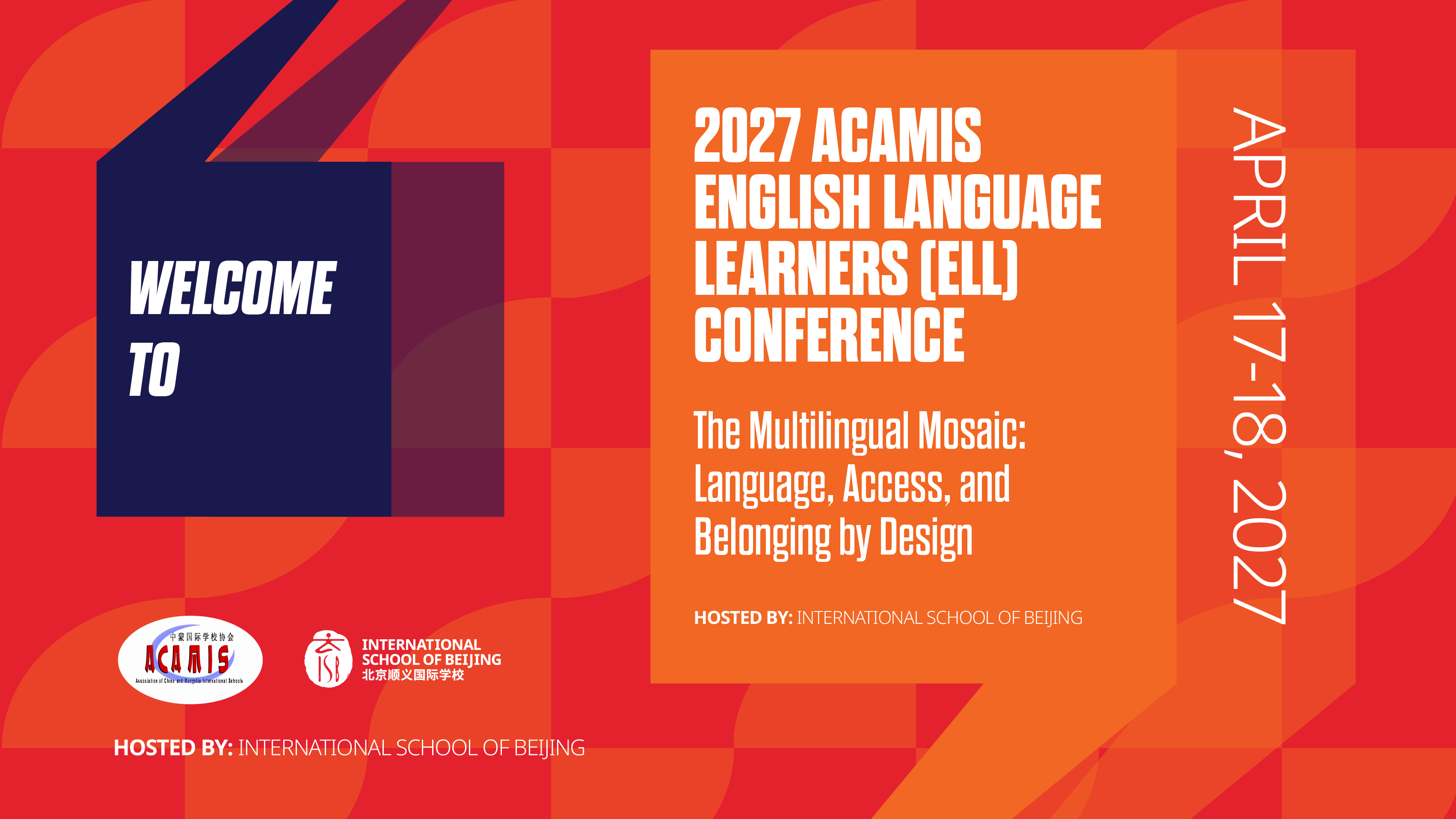
As schools become increasingly multilingual, creating meaningful access and belonging for every learner requires intentional design. The Multilingual Mosaic: Language, Access and Belonging by Design brings together educators and leaders to explore how the many languages, identities, roles, and perspectives within a school community can work together to strengthen learning.
The conference welcomes EAL specialists, classroom and content-area teachers, coordinators, learning support educators, and school leaders. Across four interconnected strands, participants will examine the instructional practices, collaborative approaches, data-informed systems, and inclusive cultures that help multilingual learners thrive.
All educators are welcome. Whether your work focuses directly on language learning, subject-area instruction, student support, or schoolwide leadership, you have a role in shaping the multilingual mosaic. Administrators and school leaders are especially encouraged to join conversations about how policies, professional learning, data, resources, and shared responsibility can be intentionally designed to support language, access, and belonging across the school.
1. Multilingual School Culture and Systems
Designing schools where multilingual learners thrive.
Explore how leaders, coordinators, and educators can create policies, systems, and professional learning that support multilingual communities. Sessions in this strand focus on building sustainable structures, using data to inform schoolwide decisions and support, fostering inclusive school cultures, and leading strategic initiatives that place language, access, and belonging at the center of school life.
2. Language Across the Curriculum
Making language visible in every classroom.
Discover practical approaches for integrating language and content learning across subject areas. This strand highlights language-rich instruction, data-informed teaching practices, content-language integration, and strategies that help multilingual learners access rigorous learning while developing academic language.
3. Multilingual Identity and Belonging
Honoring languages, identities, and the human side of learning.
This strand explores how schools can cultivate environments where multilingualism is recognized as an asset and every learner feels seen, valued, and connected. Sessions may focus on equity and inclusion, translanguaging, social-emotional learning, student identity, and the opportunities that language learning creates for meaningful relationships and global understanding.
4. Collaboration and Shared Responsibility Across the School
Supporting multilingual learners is a collective effort.
Examine how educators, specialists, leaders, and families can work together to create coherent support systems for multilingual learners. Topics may include co-planning, co-teaching, partnerships between EAL and learning support teams, supporting multilingual learners with exceptionalities, and engaging parents and caregivers as valued partners in the learning journey
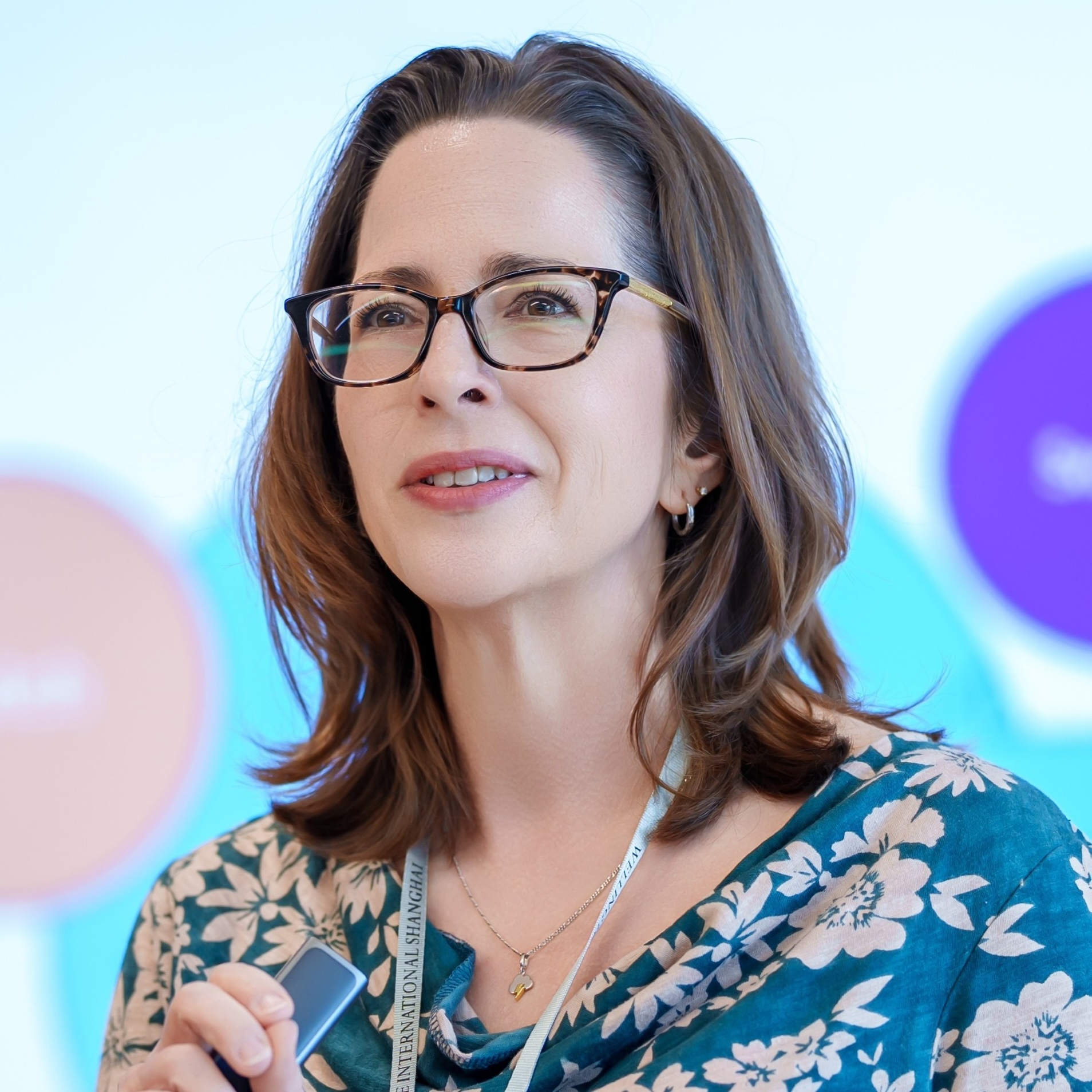
Founded: Oxford Collaborative for Multilingualism in Education
Career: ESL/EAL Teacher, Department Head, Curriculum Developer, Founder, Academic Director, Writer.
Dr Eowyn Crisfield is a specialist in languages across the curriculum, including EAL/ELL, home/host country languages, bilingual/immersion education, and translanguaging. She has been an ESL/EAL teacher, department head, curriculum developer, and has worked in several university teacher training programmes. She is the founder and Academic Director of the Oxford Collaborative for Multilingualism in Education, which aims to support schools, organisations, and governments to improve language teaching and learning in schools through research-based development. She is author of two books and many chapters and articles for both academic and teacher publications and is a regular contributor to both academic and professional conferences. She is also an honorary Norham fellow at the Department of Education, University of Oxford, where she is supporting the development of a new (distance) PGDip in EAL, alongside other teacher development and research initiatives.

The International School of Beijing (ISB) has a history of excellence spanning more than four and a half decades. At the heart of its Mission are passionate, expert educators who care deeply about every student’s growth and success. ISB is dedicated to offering programs that truly support learning – programs that are grounded in research, responsive to students’ evolving needs, and inclusive by design. The school’s forward-thinking approach and outstanding facilities ensure that students are prepared to thrive in a world that is changing faster than ever. ISB enjoys a strong track record of learning outcomes, with graduates attending universities that are the right fit for their goals and aspirations. But more than that, the school is dedicated to nurturing the whole child – intellectually, physically, socially, and emotionally – so every student can realize their full potential. ISB isn’t just a school. It’s a community where learning is joyful, challenging, and deeply personal.
Trevor Laboski
Head of School
International School of Beijing

Celina Mathews
Shekou International School

Iryna Zhurenko
International School of Beijing

Joy Jia
QSI International School of Chengdu

Maggie Meng
Qingdao Amerasia International School

Robert Wright
Canadian International School of Beijing
Refund Policies
Registration Fee / Sponsorship Fee Refund Policy
If notice of cancellation re the registered participant/sponsor is received:
Online PD Programs - No refund will be granted re participants commencing an online PD program and withdrawing part way through. Course material fees (re DiSC surveys, book fees, etc) are not refundable once access is granted.
Refund Due To PD Event Cancellation
In the event of cancellation of a conference, workshop or online PD program, we will fully refund the registration or sponsorship fee(s) paid. However, we will be unable to refund any travel, visa or accommodation expenses incurred or course material fees where access has been granted.