
Student Leadership Conference 2026
ACAMIS Student Leadership Conference
Social Innovation: A Change-Making Approach
Saturday, March 7, 2026
Shen Wai International School, Shenzhen
United World College, Changshu
Beijing International Bilingual Academy
Social Innovation at the ACAMIS Student Leadership Conference is about making a meaningful difference in the world by designing and taking action on ideas that improve lives and strengthen communities. The focus is not on creating a long-term business model, but on using innovative service to address real-world challenges—whether environmental, social, or community-based. Students explore issues that matter to them and take purposeful steps to create positive impact.
At the core, we define Social Innovation as:
- Innovative service aimed at improving communities and the lives of others.
- The ability to identify meaningful problems, organize efforts, and take action that matters.
- A commitment to creating positive social impact, whether through small-scale initiatives or broader community efforts.
Post-Conference Videos & Pictures
What We Expect From Students
Each school is expected to send 3-5 students, who will work collaboratively as a team on a single project or concept. These students should come together to address a real-world issue they care about, and work together to design, implement, and refine their solution during the conference.
We expect students to:
- Work as a team: The 3-5 students should collaborate on one unified concept or project that addresses a real-world issue.
- Identify a real-world problem they are passionate about and take innovative action to address it.
- Collaborate effectively within the team and present a cohesive project.
- Demonstrate how their work contributes to positive change in the community or society at large.
Pre-Conference Preparation
Before attending the conference, it is crucial that students meet as a team with their faculty advisor to answer the following questions. This meeting will ensure the team is aligned and ready to present their project effectively:
- What is the need your project addresses?
How do you know it is a real need? What evidence or data supports this? - What have you done so far?
Describe the actions you have taken and what you have learned from them. - What impact do you hope to create?
How do your actions make a meaningful difference? - How will you keep moving forward?
Think about communication, outreach, collaboration, and feedback.- Who do you reach out to?
- Do you know how to introduce yourself and follow up?
- How do you track your progress?
- How do you seek tough questions that help you refine your project?
Students should bring a clear project proposal outlining the problem, their ideas, actions taken, and next steps. This preparation will allow the conference to help refine the team’s work, strengthen their narrative, and develop strategies for greater impact.
Project Focus
The focus is on Change Making through Social Innovation, projects that help students explore what they can do to improve communities and shape a better world. This could be an SDG-focused initiative, a community solution, or a new approach to an existing problem. The scale does not matter; the purpose and impact do.
Note Faculty Advisors: To help students get to the point where they're handling everything related to their project, it will require your support getting them started on an idea that addresses some of the questions under Pre-Conference Preparation, and then helping them work the other elements in as they go.
Keynote Speaker
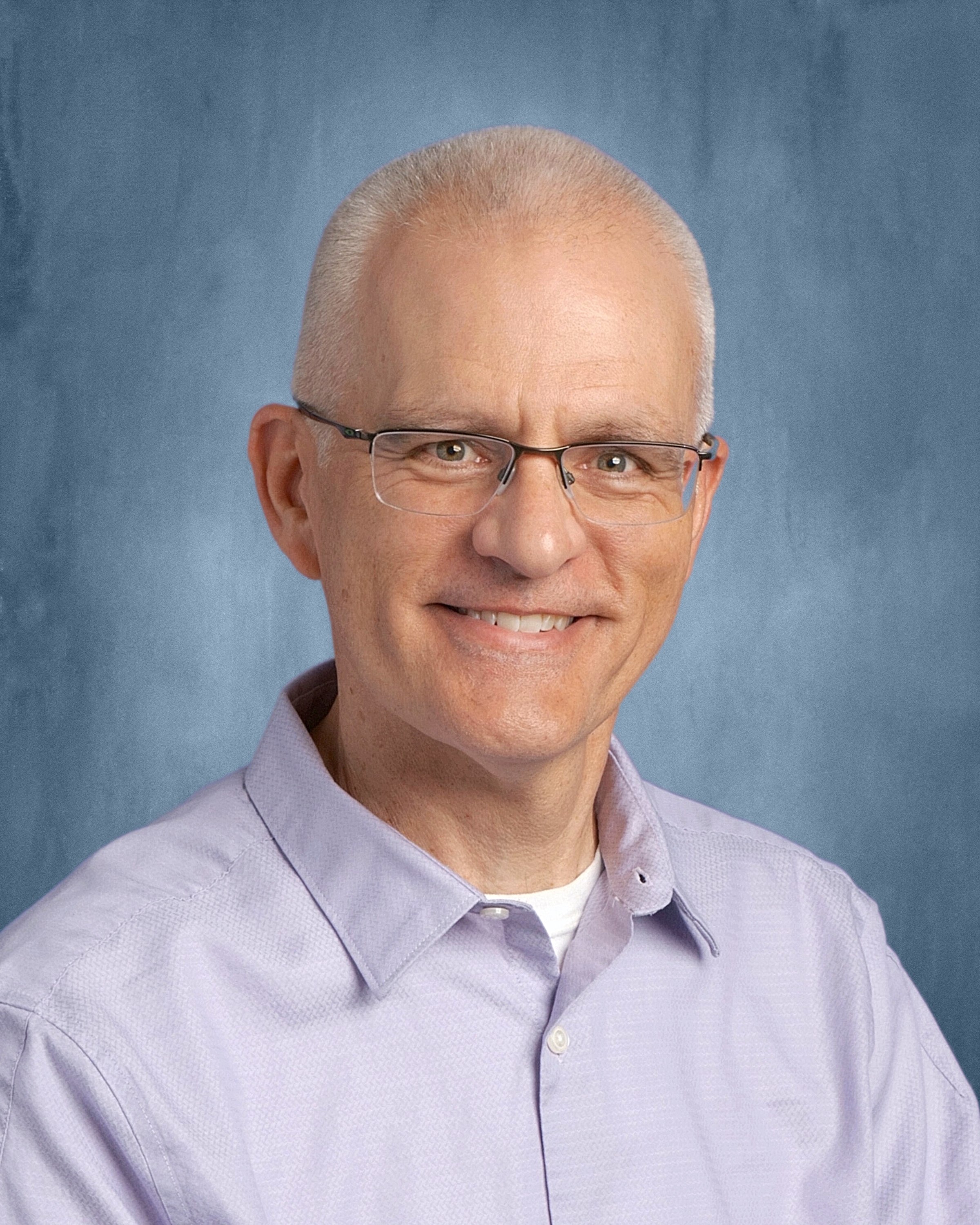
Rushton Hurley
Learn More About Rushton: www.nextvista.org
Career: Founder and ED of Next Vista, Teacher, Principal, Researcher
Rushton Hurley is the founder and executive director of Next Vista for Learning, an organization that provides a free library of videos by and for teachers and students. With a background as a Japanese language teacher, online high school principal, and educational technology researcher, Rushton has worked extensively to make learning more active and accessible through digital media. Over the past decade, he has trained educators across North America, Europe, and Asia, emphasizing the power of affordable technology in creating engaging, student-centered learning environments.
Target Audience
Each school can nominate up to 5 students to attend, with the requirement that each student brings a prepared social innovation project. This project should outline their objectives, target audience, and planned actions, demonstrating the student’s commitment to addressing a real-world problem. Ideally, these students should come as a team with a shared project focus.
The conference will provide an opportunity for students to grow their ideas through collaborative workshops and feedback. It is essential that students arrive with a project already in motion, as the goal of the conference is to further develop their ideas and refine their strategies.
Student Eligibility Criteria:
- Students must be 14 years or older.
- Each school must send one advisor to attend the conference alongside their nominated students.
- Advisors are required to participate in 2 pre-conference planning calls to be briefed on the agenda, the expectations of the event, and how they will support their students during the workshop sessions.
Agenda Outline
Morning: Skills Development & Collaborative Learning
Overview:
- 8:30 AM – 9:00 AM | Registration & Welcome
Introduction to the conference and overview of the day’s activities. - 9:00 AM – 10:00 AM | Keynote Speaker: Rushton Hurley
Topic: “Bring on the Questions”
Rushton will explore the intersection of activity and presentations, with a focus on how storytelling skills can allow the development of distinctive projects. - 10:00 AM – 10:15 AM | Morning Break
A brief break for networking and refreshments - 10:15 AM – 12:00 PM | Workshop 1: Feedback for Service Innovators
Students and advisors will participate in a workshop focused on giving and receiving constructive feedback. The goal is to help students refine their projects by learning how to seek and use feedback effectively. Advisors will support students in this activity by providing guidance on how to engage with feedback in a meaningful way. - 12:00 PM – 12:45 PM | Lunch & Networking
Afternoon: Project Refinement & Advisor Collaboration
Overview:
- 12:45 PM – 2:15 PM | Workshop 2: Storyboarding & Project Improvement
Students will participate in a hands-on session where they will create a 60-second video storyboard to present their projects. The session will focus on refining their project’s narrative, addressing challenges, and highlighting the project’s impact. Advisors will continue to support students in structuring their stories for clarity and impact. - 2:15 PM – 2:30 PM | Afternoon Break
A short break to refresh and connect with fellow participants. - 2:30 PM – 4:30 PM | Advisor Session: Best Practices & Peer Presentations
A dedicated stream for faculty advisors, where they will share their experiences and best practices for supporting student-led social innovation projects. Topics will include setting appropriate boundaries for student projects, providing resources and support, and fostering a culture of change-making within schools. - Student Session: Small Group Feedback & Reflection
Students will break into small groups for peer-to-peer feedback. Each group will use a structured protocol to review and provide constructive input on each other’s project storyboards. This session aims to help students refine their narratives through collaborative feedback and support, guided by the protocols provided. - 4:30 PM – 5:00 PM | Closing Remarks & Next Steps
A wrap-up session for both students and advisors, where participants will reflect on their learning, outline next steps for their projects, and celebrate the progress made throughout the day.
Post Conference Video Project
Select projects will be included in a showcase in Silicon Valley in California at the end of April, 2026. To be considered, your 60-second video must be submitted by the end of day on March 27th, 2026, US Pacific time, via a form provided by the showcase organizers and Next Vista for Learning. The video submission may happen using a link to an unlisted upload to YouTube or a link to a properly shared file in Google Drive. Any media used in your video must be cited, and can be of your own making or drawn from a source specifically licensed for free use (such as from Unsplash). You may use generative AI tools to create media as part of your video, but must note that in your citation.
The Creative Solutions Spring Showcase has drawn viewers from more than twenty countries. The projects highlighted show distinctive approaches to innovative service, and it is the organizers' hope that they will have the chance to highlight work from your team.
Conference Coordinator

Michael Iannini
Book: Hidden in Plain Site: Realizing the Full Potential of Middle Leaders
Career: Author, Facilitator, Board Member, Founder, Affiliated Consultant
Michael is an Author, Contracted PD Facilitator for ACAMIS, Board Member for Safe Passage Across Networks (SPAN), Founder of PeerSphere and PD Academia, and a Council of International School’s (CIS) Affiliated Consultant with the following areas of expertise:
- Appraisal and Professional Development
- Organizational Management
- School Governance
- Strategic Planning
Michael's first book, Hidden in Plain Site: Realizing the Full Potential of Middle Leaders, is the foundation for all his leadership development work. Since writing this book he launched PeerSphere, where he regularly engages with a variety of educators and student leaders in different peer learning communities.